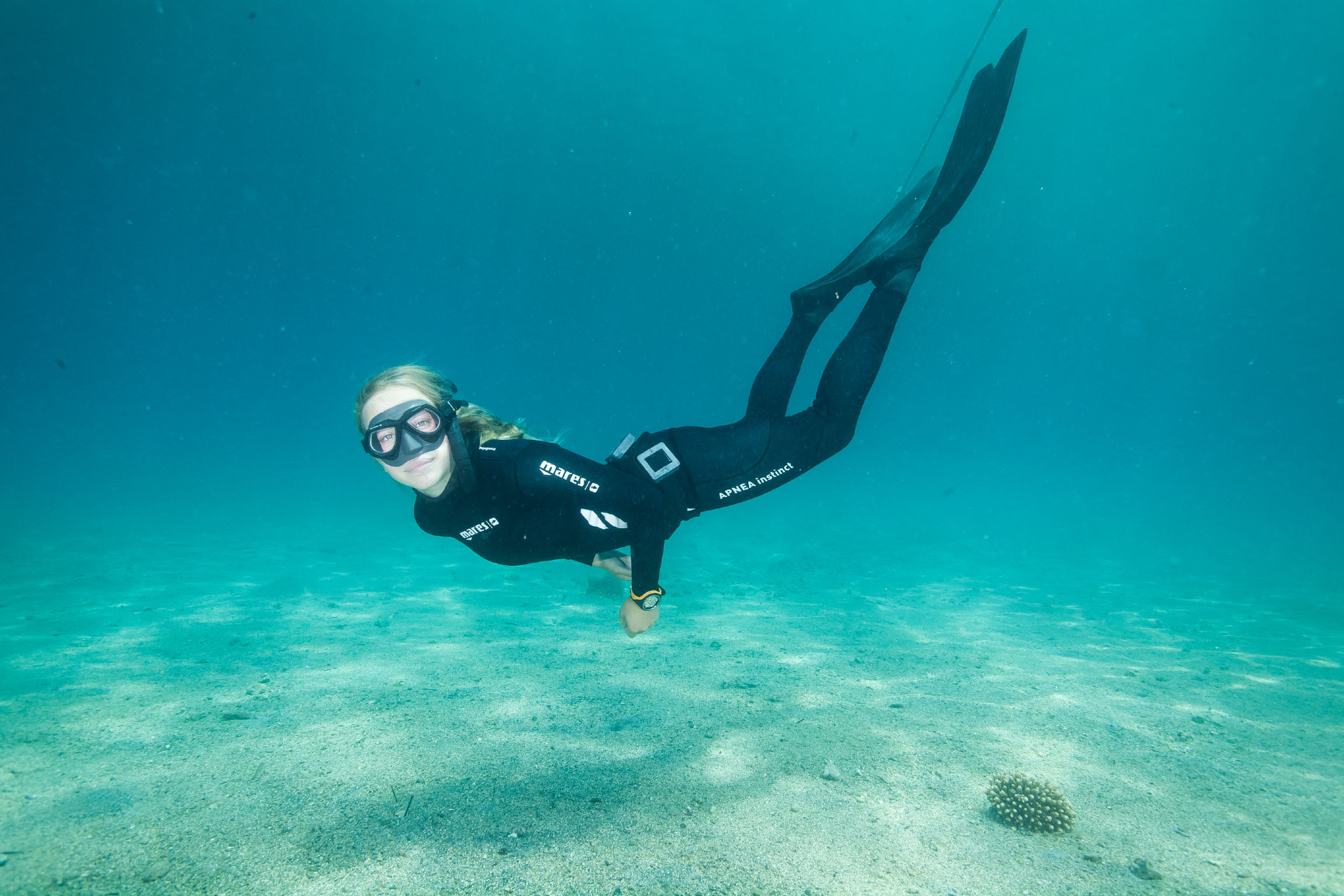
10 safety rules for water sports

Follow the rules

1
2
3
4
5
6
7
8
9
10
1

Check the weather

Check the weather forecast before setting off and be aware of possible weather hazards.

2

You are safer on the road with a partner

Respect others: Be respectful of other participants, swimmers and boaters and give them plenty of space.

3

Know the rules

Familiarize yourself with the specific rules and regulations that apply to the water sport you are participating in and follow them at all times.

4

Assess wind, waves and current

Be aware that these conditions can change quickly.

5

Safety of entry and exit points

Safety when getting in and out of the water is crucial for avoiding accidents and injuries.

6

Know your limits/training

Knowing your own abilities and limits is crucial to minimizing risks in water sports.

7

Always use the right equipment

Using the correct equipment is essential to ensure a high level of safety in water sports.

8

Protection of swimmers and divers:

As swimmers and divers are more vulnerable than boats or jet skis, it is important to keep a safe distance at all times to avoid accidents.

9

Meaning of the speed limit

Maintaining a low speed near the shore is crucial to ensure the safety of water sports enthusiasts and other people near the shore.

10

Enjoy nature and protect the environment

A respectful approach to the environment and the marine ecosystem is crucial to preserving natural beauty and diversity.

1. check the weather

Check the weather forecast before setting off and be aware of possible weather hazards.

Outdoor water sports are highly dependent on the weather. Unexpected changes in the weather, such as thunderstorms, strong winds or rain, can pose a considerable risk.
Unforeseen weather conditions can lead to dangerous situations, such as strong waves, obstructed visibility and increased risk of lightning strikes.

Practical tips:

  • Obtain reliable weather information from local weather services or specialized apps. Check the weather forecast regularly before and during your water sports activity.
  • Be prepared for rapid weather changes. Find out about local weather phenomena and learn to interpret weather signs.
  • Draw up an emergency plan in the event of an unexpected change in the weather. This can include knowing safe places for rapid evacuation and carrying emergency equipment such as communication devices protected from water.
  • Risk awareness: Assess the risk based on the current and forecast weather. Avoid water sports when there is a threat of danger such as thunderstorms or strong winds.

2. always with a partner

You are safer on the road with a partner.

Respect others: Be respectful of other participants, swimmers and boaters and give them plenty of space.

A buddy system in water sports increases safety. In the event of an accident or emergency, someone is immediately on hand to help or call for help.
Signing in and out: Signing in and out at the start and end of water sports activities makes it possible to keep track of participants and ensure rapid assistance in an emergency.
Water sports often share limited resources such as water areas. Being considerate of other water sports enthusiasts helps to avoid collisions and accidents.

Practical tips:

  • Choice of partner: Choose a buddy who has similar skills and experience. Communicate clearly and make sure you both understand the planned activities and routes.
  • Check-in and check-out: Check in and out with a responsible person or facility at your location. Let them know where you are going and when you plan to return.
  • Be aware of other water sports enthusiasts: Be aware of the other water sports enthusiasts around you. Keep your distance and avoid activities that could endanger others.
  • Learn to pay attention to emergency signals: Know and recognize the common emergency and help signals in water sports. Be prepared to help other water sports enthusiasts in need.

3. know the rules

Familiarize yourself with the specific rules and regulations that apply to the water sport you are participating in and follow them at all times. Importance of knowing local laws: Water sports activities are governed by specific laws and regulations that may vary from place to place. Knowledge of and compliance with these rules is crucial for the safety and smooth running of activities. Diversity of laws: Depending on the region, different regulations may apply to speed limits, distance from other water sports enthusiasts or protected areas. Practical tips:

  • Obtaining information: Find out about the local laws and regulations before starting your water sports activities. This can be done through online research, consultation with local authorities or visits to information centers.
  • Pay attention to protected areas: Pay attention to designated protected areas where certain activities may be restricted or prohibited.
  • Respect speed limits and safe distances: Stick to established speed limits and safe distances to avoid collisions and disturbance to wildlife.
  • Adaptation to regional characteristics: Each region can have its own special features.

4. assess wind, waves and current

Assess the wind, waves and current and be aware that these conditions can change quickly.

Importance of assessing water conditions: Before starting any water sports activity, it is important to assess the current water conditions including wind, waves and currents. These natural factors can pose a considerable risk. Strong winds, high waves and unpredictable currents can affect safety and increase the risk of accidents.

Practical tips:

  • Check weather and water conditions: Use reliable sources to check the current and predicted water and weather conditions. This can be done via weather services, special apps or maritime information services.
  • Seek advice from locals: Local and experienced water sports enthusiasts can provide valuable information about specific water conditions and dangers.
  • Observe the surroundings: Pay attention to changes in the environment, such as changing wind directions or wave patterns, which could indicate changing currents.
  • Adjust activities: Be prepared to adjust your plans or cancel your activity if conditions become too risky.

5. safety of entry and exit points

Safety when getting in and out of the water is crucial for avoiding accidents and injuries. This includes being aware of the nature and equipment of the access points.
Consideration of various factors: Safety can be influenced by many factors, including the nature of the ground, the presence of ladders or ramps, the proximity to other water sports enthusiasts and the general accessibility of the area.

Practical tips:

  • Appropriate equipment: Wear suitable footwear and use the necessary equipment to get in and out of the water safely.
  • Checking the access point: Check the condition of the entry and exit point before starting the activity. Watch out for potential hazards such as slippery surfaces, sharp objects or strong currents.
  • Pay attention to environmental influences: Take into account factors such as cold, fatigue or the presence of other water sports enthusiasts that could make getting in and out of the water more difficult.
  • Emergency plan: Have a plan in case the planned exit is not possible, for example by identifying alternative safe exit points before starting the activity.

6. know your limits

Know your limits and make sure you are well trained

The importance of recognizing your own limits: Knowing your own abilities and limits is crucial to minimizing risks in water sports. Overconfidence or the influence of peer pressure can lead to dangerous situations.
Importance of certifications: Specific training programs and certifications exist for many water sports to ensure that participants have the necessary skills and knowledge.

Practical tips:

  • Realistic self-assessment: Be honest with yourself about your skills and experience. Avoid activities that exceed your abilities and do not allow yourself to be led by peer pressure.
  • Acquire licenses and certifications: Participate in training programs and obtain the appropriate licenses or certifications for the water sport you are interested in.
  • Improve your skills by practicing your water sport with professional instructors or colleagues with more experience.
  • In the event of an emergency, it is advisable to have a sound training as a first aider; such training should be regularly refreshed.

7. always use the right equipment

Importance of the right equipment: Using the correct equipment is crucial to ensure a high level of safety in water sports. Inappropriate equipment can also increase the risk of hypothermia, injury and other hazards.
Consider environmental conditions: Choosing the right equipment depends on various factors, such as water temperature, weather conditions and the specific activity. Regular equipment checks and necessary service work are important.

Practical tips:

  • Choose the right clothing: Choose the right neoprene thickness and other protective clothing to protect you from the cold and injuries. This also includes gloves, headgear and footwear.
  • Using buoys when diving: Buoys are an important safety element when diving, snorkeling and open water swimming to mark your position in the water.
  • Wearing life jackets and helmets: Life jackets should be mandatory for many water sports, and in certain situations it may also be necessary to wear a helmet.
  • Get specialist advice: Seek advice from experts to select the most suitable equipment for your activities and conditions.
  • Pay attention to emergency signals: Know and recognize the common emergency and help signals in water sports. Be prepared to help other water sports enthusiasts in need.

8. protection of swimmers and divers

As swimmers and divers are more vulnerable than boats or jet skis, it is important to keep a safe distance at all times to avoid accidents.
Recognizing divers: Buoys and rising air bubbles can indicate that divers are below the surface. These signs must always be observed.

Practical tips:

  • Pay attention to buoys: Buoys can mark diving or swimming areas. Always keep a safe distance from these buoys.
  • Watch out for rising air bubbles: Rising air bubbles can be an indication of divers. Avoid driving over these areas.
  • Avoid swimming and diving areas: Avoid using watercraft in areas frequently used by swimmers and divers.
  • Awareness and caution: Ride carefully and be aware that swimmers and divers can be difficult to see, especially in wavy conditions or in poor visibility.

9 Meaning of the speed limit

Maintaining a low speed near the shore is crucial to ensure the safety of water sports enthusiasts and other people near the shore. This is particularly relevant in view of the tragic accident that led to the founding of Safer Shorelines. Risks of high speeds: Fast-moving boats close to the shore pose a considerable risk to swimmers, divers and other water sports enthusiasts. Waves can cause small boats and SUPs to capsize. These waves also damage vegetation close to the shore.

Practical tips:

  • Observe speed limits: Maintain a low speed within 300 meters of the shore.
  • Awareness of your surroundings: Be aware of your proximity to the shore and the possible presence of people and animals in the water.
  • Caution and consideration: Always ride carefully and with the necessary consideration to ensure the safety of everyone in the water and on the shore.
  • Observe local regulations: Also observe local regulations regarding speed limits near the shore.

10. enjoy nature and protect the environment

A respectful approach to the environment and the marine ecosystem is crucial to preserving natural beauty and diversity. Water sports enthusiasts should behave as “good guests” in nature.
Avoid disturbance: It is important to protect marine habitats and avoid disturbing wildlife.

Practical tips:

  • Protect the embankments: Avoid damaging or eroding embankments.
  • Avoid nature reserves: Stay away from designated nature reserves and observe local regulations to protect the environment.
  • No pollution: Avoid throwing waste into the water and take care not to cause pollution. If you see plastic or other debris, don’t be afraid to take it with you and dispose of it properly.
  • Consideration for wildlife: Keep quiet and reserved so as not to disturb animals. Avoid touching, feeding or otherwise getting too close to marine life.
  • Divers should master the skill of floating so as not to destroy the bottom and corals.

See Safety Guide

Bild des Wolfgangsees mit Päarchen das über einen Steg läuft und im Bild steht "See Safety Guide"

The Lake Safety Guide was created in cooperation with Wolfgangsee Tourismus and the surrounding businesses to make the lake safer in the long term.

SUP routes, priority rules and correct behavior should be clearly communicated and interaction between water sports participants should be improved.

Further information is also available at: https://wolfgangsee.salzkammergut.at

Safer Shorelines